
The Magic of Biochar: A Sustainable Solution for Modern Landscape Management
Introduction
As the CEO of Mirimichi Green, I am proud to be at the forefront of sustainable and innovative solutions for modern agriculture. One of our core ingredients is biochar, an incredible material that has been used for centuries to improve soil health and fertility. In this blog post, we will dive into the fascinating history of biochar, its characteristics, current trends, and an overview of the product landscape for companies producing biochar products.
A Brief History of Biochar
Biochar has a rich history that dates back over 2,000 years. Its origins can be traced to ancient Amazonian civilizations, where indigenous people created a highly fertile soil called “terra preta” (meaning “black earth” in Portuguese). By incorporating biochar into the soil, they were able to transform nutrient-poor, highly weathered soils into highly productive agricultural lands. This ancient wisdom has been rediscovered in recent years, sparking a renewed interest in biochar and its potential to address modern agricultural challenges.
What Makes Good Biochar and Less Good Biochar?
Biochar is created through a process called pyrolysis, which involves heating organic matter (such as wood, crop residues, or manure) in a low-oxygen environment. The quality of biochar can vary greatly depending on the feedstock and production process. Here are some key factors that determine the quality of biochar:
- Feedstock: The type of organic material used to produce biochar plays a significant role in its final properties. High-quality biochar is typically derived from clean, uncontaminated sources such as wood, agricultural residues, or dedicated energy crops. Low-quality biochar, on the other hand, may be produced from materials containing contaminants or high levels of ash, which can negatively impact its effectiveness in soil.
- Pyrolysis temperature: The temperature at which the organic material is heated during pyrolysis can affect the structure and properties of the resulting biochar. Higher temperatures generally yield biochar with higher carbon content, increased porosity, and greater stability in the soil. Lower temperatures may result in less stable biochar with lower carbon content.
- Processing and activation: High-quality biochar may be further processed to enhance its properties, such as activation with steam or chemical treatments. These processes can increase biochar’s surface area, making it more effective at retaining nutrients and water in the soil.
Current Trends in Biochar
There has been a surge in interest and research on biochar in recent years, driven by its potential to address various agricultural and environmental challenges. Some of the current trends in biochar include:
- The Magic of Biochar: A Sustainable Solution for Modern Landscape Management: Biochar’s ability to sequester carbon in the soil has garnered significant attention as a potential strategy for mitigating climate change. By locking away atmospheric carbon dioxide in a stable form, biochar can help reduce greenhouse gas emissions.
- Soil health and productivity: Biochar has been shown to improve soil fertility, increase water retention, and promote beneficial microbial activity. As a result, farmers and gardeners around the world are increasingly adopting biochar as a soil amendment to boost crop yields and enhance soil health.
- Waste management: The production of biochar can help address waste management challenges by converting agricultural, forestry, and other organic waste materials into a valuable soil amendment. This not only reduces waste volumes but also helps prevent the release of greenhouse gases from decomposing organic matter.
- Water and air pollution control: Biochar has been demonstrated to effectively remove pollutants from water and air, making it an attractive option for environmental remediation efforts. Its porous structure and large surface area enable biochar to adsorb contaminants, improving water and air quality.
Analysis of the Current Product Landscape for Biochar
As the demand for biochar grows, an increasing number of companies are entering the market to offer various biochar products. The current product landscape can be broadly categorized into the following segments:
- Raw biochar: This category includes biochar products that are sold in their most basic form, without any additional processing or additives. Raw biochar is typically marketed for use in agriculture, horticulture, and landscaping applications.
- Enhanced biochar: Some companies are offering biochar products that have been enhanced with additional nutrients, minerals, or microbial inoculants to improve their performance as soil amendments. These products are designed to provide added benefits, such as increased plant growth, improved nutrient availability, and enhanced soil biological activity.
- Customized biochar blends: To cater to the specific needs of various industries and applications, some companies offer customized biochar blends that combine biochar with other soil amendments, such as compost, peat, or vermiculite. These blends can be tailored to address specific soil conditions.
The Main Biochar Companies
Please note that the current product landscape is constantly evolving, and some new players may have entered the market. Here are a few prominent companies in the biochar industry and their offerings as of this writing:
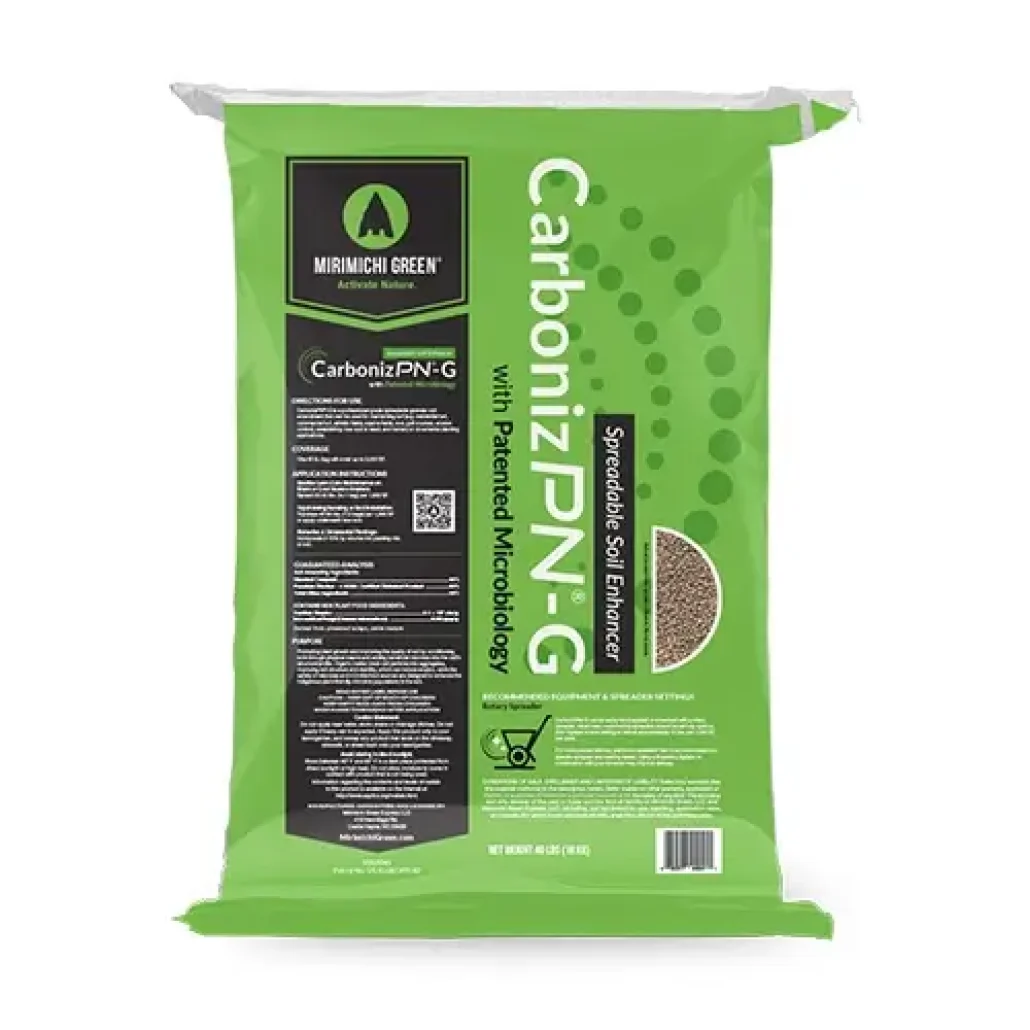
- Mirimichi Green: Our own company, Mirimichi Green, produces high-quality biochar products derived from sustainably sourced wood waste. Our signature product, CarbonizPN, is an enhanced biochar that combines activated biochar with organic nutrients and beneficial microbes, making it an ideal soil amendment for various agricultural, horticultural, and landscaping applications.
- Cool Planet: Cool Planet’s Cool Terra® biochar products are made from sustainably sourced biomass and are designed for use in agriculture, turf, and horticulture. They offer both raw and enhanced biochar options, with some products containing added nutrients and microbial inoculants to promote plant growth and soil health.
- Biochar Supreme: This company offers a range of biochar products under their Black Owl Biochar™ brand. Their offerings include raw biochar, as well as blends with compost and other soil amendments. Biochar Supreme’s products cater to various applications, from agriculture and gardening to environmental remediation.
- Pacific Biochar: Pacific Biochar offers a variety of biochar products sourced from sustainably managed feedstocks. Their offerings include raw biochar, biochar-compost blends, and biochar-based soil amendments for different agricultural and horticultural applications. Pacific Biochar also provides custom biochar solutions tailored to meet specific client needs.
- Wakefield Biochar: Wakefield Biochar is known for producing high-quality biochar products suitable for agricultural, horticultural, and environmental applications. They offer both raw biochar and biochar blends, including a product called Soil Reef, which combines biochar with worm castings and compost for an enhanced soil amendment.
- European Biochar Foundation (EBF): As a non-profit organization, the EBF is committed to promoting the responsible production and use of biochar in Europe. They offer a certification program called the “European Biochar Certificate,” which sets quality standards for biochar products in the region. Certified biochar products in Europe adhere to these standards, ensuring high quality and sustainability.
In comparing these companies and their products, factors to consider include the quality and sustainability of the feedstocks used, the production methods employed, the presence of added nutrients or microbes, and the specific applications for which the biochar is designed. As a consumer or business owner, it’s essential to carefully evaluate each product and company to determine which biochar solution best aligns with your requirements, values, and sustainability goals.
Conclusion
At Mirimichi Green, we are passionate about providing sustainable solutions for modern agriculture, and biochar plays a pivotal role in our mission. We understand that navigating the world of biochar can be complex, and we are here to help you make informed decisions that align with your needs and goals.
As the CEO of Mirimichi Green, I am personally invested in fostering a deeper understanding of biochar and its numerous benefits. If you have any questions about biochar or would like to discuss how our products can support your agricultural, horticultural, or environmental projects, please do not hesitate to reach out to me directly. I am always happy to engage in meaningful conversations and help you find the best solution for your unique requirements.
Together, let’s continue to explore the potential of biochar and its ability to revolutionize sustainable agriculture and environmental stewardship.
Russ Britton
When to use a soil amendment versus fertilizer?
In the battle of soil amendments v. fertilizers, it’s important to note that these products serve different purposes in gardening and agriculture. The decision to use a soil amendment or a fertilizer depends on the specific needs and conditions of your soil and plants. Here’s a general guideline:
Soil Amendments
Soil Amendments: Soil amendments are substances added to improve the physical properties of the soil, such as its structure, drainage, water-holding capacity, and nutrient availability. They are usually used to enhance soil fertility in the long term and provide a favorable environment for plant growth. Common soil amendments include:
– Compost: Adds organic matter, improves soil structure, and enhances nutrient retention.
– Peat moss: Improves water-holding capacity and aeration in sandy soils.
– Vermiculite or perlite: Enhances soil drainage and aeration.
– Gypsum: Helps improve soil structure in heavy clay soils.
Soil amendments are particularly beneficial when dealing with poor-quality or degraded soils, as they gradually improve soil health and fertility over time.
Fertilizers
Fertilizers: Fertilizers are substances containing essential plant nutrients that are added to the soil to provide immediate nutrition to plants. They are used to address specific nutrient deficiencies and promote healthy plant growth. Fertilizers come in different formulations, such as granular, liquid, or slow-release, and provide concentrated doses of specific nutrients, such as nitrogen (N), phosphorus (P), and potassium (K), as well as micronutrients.
Fertilizers are typically used when plants exhibit signs of nutrient deficiencies, such as yellowing leaves or stunted growth. They are also useful during periods of rapid growth or high nutrient demand, such as flowering or fruiting stages. Fertilizers provide quick results, but excessive or improper use can lead to nutrient imbalances, environmental pollution, or damage to plants.
In summary, use soil amendments when you want to improve overall soil quality and long-term fertility, while fertilizers are suitable for addressing immediate nutrient deficiencies or promoting vigorous growth during specific plant stages. It’s essential to assess your soil’s condition, perform soil tests to identify deficiencies, and consider the specific needs of your plants before deciding whether to use a soil amendment or a fertilizer.
Learn More about Soil Health
To learn more, check out our webinars on Soil Health or see Soil Amendments and Fertilizers for product information.
Mirimichi Green Launches Organic Granular Fertilizer 4-4-4
03/01/2023 – Castle Hayne, NC – Mirimichi Green has expanded its granular product line with a new, organic granular fertilizer with biology called 4-4-4 Organic Granular Fertilizer. The 4-4-4 Organic Granular Fertilizer is OMRI Listed and contains all organic ingredients and beneficial soil biology. Previously, Mirimichi Green only supplied liquid fertilizers.
Mirimichi Green is constantly researching and testing new ingredients to bring customers the best and most effective products on the market. Keeping sustainability and soil health at the forefront of every product developed, Mirimichi Green brought forth a completely organic fertilizer that can be used on any soil type and landscape. From turf to vegetable gardens, the 4-4-4 Organic Granular Fertilizer gets nitrogen, phosphorus, potassium, iron, calcium, and a wide range of beneficial microbes into the soil for plants to easily digest. By removing consistent synthetic fertilizer feedings, the plant finds what it needs in the soil and consumes the easily digestible organic fertilizer nutrients.
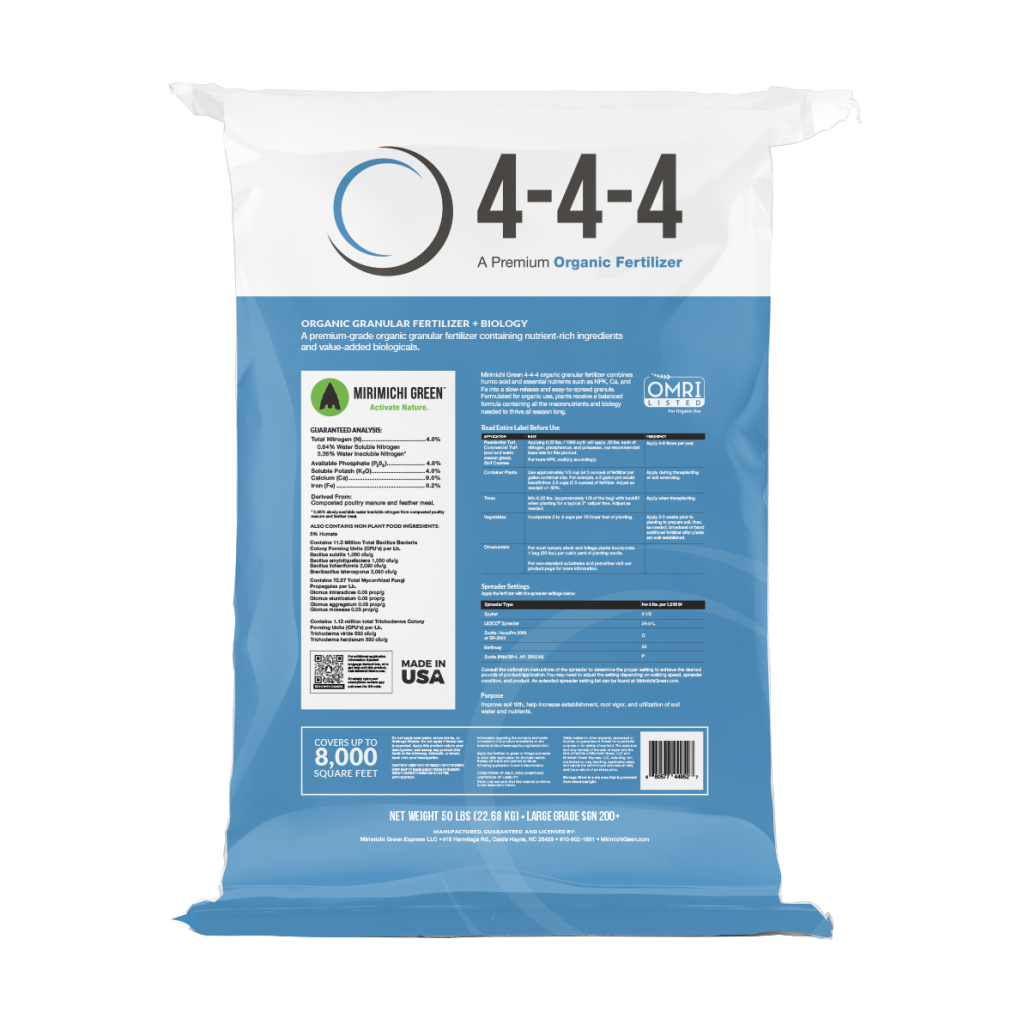
It is ideal for any landscape or planting application seeking a safe, sustainable, and organic option. The 4-4-4 Organic Granular Fertilizer can be used for all residential and commercial turf establishments, container plants, vegetables/gardens, ornamentals, and trees. Some of the benefits include:
- OMRI Listed
- Increases germination
- Enhances plant vigor
- Provides fast green-up and recovery
- Increases nutrient uptake (CEC)
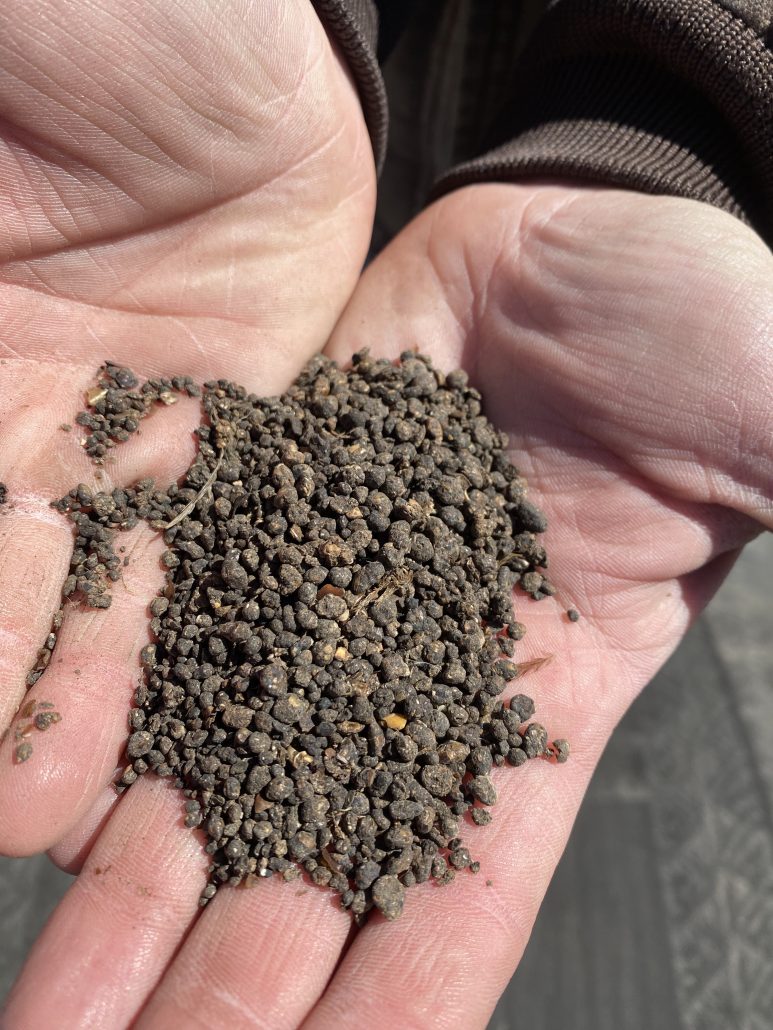
The organic fertilizer’s consistency is ideal for spreading in any standard push-behind spreader or by hand depending on the application. The prill size is similar to a synthetic fertilizer and goes out easily with no agitator or additional equipment needed.
More information about Mirimichi Green’s 4-4-4 Organic Granular Fertilizer such as application rates can be found here.
To order online, click here.
Peat Alternative During Shortage And Beyond
In 2020 and 2021, the beginning of the supply chain issues and product shortages began and the extreme shortages of peat moss have continued into 2022. Most suppliers are already out of peat moss for the year and do not expect inventory until another harvest during the mid-summer at the earliest and even that supply will be limited. The shortage has also caused the price of available inventory to skyrocket. To help complete the projects that require a peat application, finding a competitive and effective alternative is key.
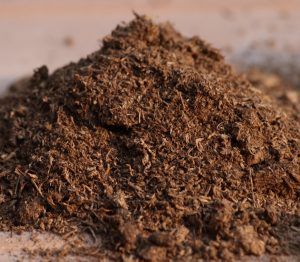
Peat is used in root zone construction mixes, gardening, planting mixes, and blanketing new seeds. But is peat truly serving a purpose other than being a filler for soil mixes or keeping seeds secure from rain, wind, or other environmental factors? No, peat has little to no nutrients to offer and is not eco-friendly.
Don’t Take Carbon, Add Carbon
Groups such as the International Peat Society says the mining of peat moss is a culprit for depleting valuable carbon from the soil and releasing massive amounts of carbon dioxide back into the atmosphere. However, the argument that peat moss is a renewable resource falls flat because the growth rate is extremely slow and it can never replenish itself at the speed and quantity it is being harvested.
Luckily, there are more sustainable, effective, locally sourced replacements readily available to amend soils and blanket seed.
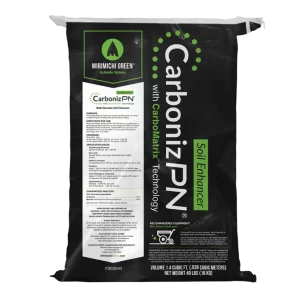
Mirimichi Green provides 2 products that outperform peat and are sustainable; CarbonizPN Soil Enhancer and Mirimichi Green Peat Alternative.
CarbonizPN® Soil Enhancer, known for being one of the best professional-grade soil amendments on the market, is the ideal option for those seeking an alternative to peat. CarbonizPN Soil Enhancer with CarboMatrix Technology™ is composed of activated carbon (inoculated biochar) and premium compost that reduces compaction, drives root growth, increases fertility and water absorption, and improves the structure of the soil.
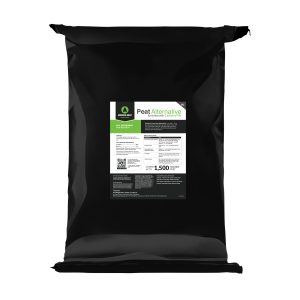
Mirimichi Green Peat Alternative is a sustainable compost created to be a better option and replace peat during the shortage and beyond. It is enriched with CarbonizPN Soil Enhancer as well as peanut husks and shells. Plus, all inputs are sourced in the USA from renewable and readily available materials. Mirimichi Green Peat Alternative will protect new seeds from natural erosion and accelerate germination. The compost and biochar combination adds body to all soil types giving the roots room to easily develop.
Not only does the high-quality compost and biochar in CarbonizPN and Mirimichi Green Peat Alternative increase germination and root growth, but it is all domestically sourced and reduces and solves several environmental issues.
Less Product, Less Money, Less Labor, Less Time Per Application
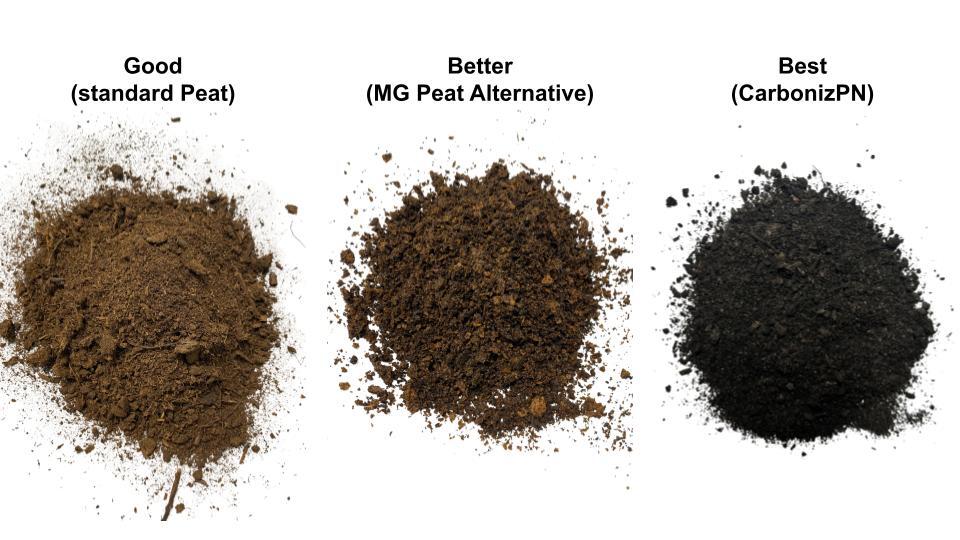
Unlike peat, a little bit goes a long way with Mirimichi Green Peat Alternative and CarbonizPN. Typically peat spot seeding applications recommend using a 2-inch layer for the seed, but these alternatives don’t require that much coverage to be effective; a light layer is plenty to give the new seeds and soil biology the nutrients for quick germination and deep root growth. Each application will require less product, saving you time and money on each application.
To easily compare attributes of standard peat, Mirimichi Green Alternative, and CarbonizPN, view the table below:
| Standard Peat | MG Peat Alternative | CarbonizPN | |
| Coverage in sq. ft. per bag | 700-1,000 sq. ft. | 1,500 sq. ft. | 2,000 sq. ft. |
| Price | $ | $ | $$ |
| Reduces Compaction | Yes | Yes | Yes |
| Increases CEC | Yes | Yes | Yes |
| Retains Water | Yes | Yes | Yes |
| Promotes Drainage | Yes | Yes | Yes |
| Impact to pH | Acidic | Neutral | Neutral |
| Light Weight | Yes | Yes | No |
| Nutrient-rich | No | Somewhat | Yes |
| Produced Domestically | No | Yes | Yes |
| Environmentally Sustainable | No | Yes | Yes |
| Renewable Resource | No | Yes | Yes |
| Readily Available | No | Yes | Yes |
References:
Lawn Winterization: Tips for Healthier, Greener Turf Next Spring
Thanks to Ron Henry at GolfCourseLawn for featuring Essential-G in his latest video on Winterization. Check out his video below. He covers the reasons why you might want to consider a late-season application of a soil amendment like those from Mirimichi Green.
As Ron mentioned, late fall and early winter are the perfect times to focus your efforts on:
- Resupplying the organic content the soil has been using
- Helping the soil conserve beneficial nutrients
- Developing healthier soil that resists erosion
- Avoiding soil compaction
One thing Ron didn’t address in his Georgia-based video, is the salt runoff mitigation benefits a winterization program can offer in colder climates.
So for homeowners itching to be out in the yard or garden again, a winterization treatment can be a great excuse to get out there. One that can pay dividends in spring with quicker greenup for less effort.
For landscape professionals, winterization is an opportunity to sell an additional application during the slow season that makes things easier on their crews come springtime.
3 Alternatives to Roundup for the Landscape Professional
With reports on the rise of Roundup’s links to cancer, more and more of your customers are asking you about alternatives. Whatever their reasons for asking, it’s your job as a landscape professional to locate solid options to meet their needs.
However, it’s important to note that when your clients ask you to find a Roundup alternative, what they’re really asking for is an alternative to products that use glyphosates. If you already know about the history and controversies surrounding glyphosates, go ahead and skip down to our suggestions at the end.
But if you need a bit of background or a quick refresher, let’s begin with a bit about what glyphosates are and why they’re so controversial. Then we’ll cover a few alternative products, what they’re using and why that’s beneficial in different settings.
Background on Glyphosates
Glyphosate is the chemical name for the main ingredient in the world’s best-selling herbicide, Roundup. But it didn’t start there. The compound was first patented in 1961 as a descaling agent used to clean out mineral build-ups in pipes and boilers.
In 1970, Monsanto scientist John Franz realized it could also be used to kill weeds. Monsanto registered the product under the trade name Roundup in 1974 (1). Widespread adoption of Roundup was so prevalent, that the name became the generic term for any weed-killing compound.
The patent protection for Monsanto ended in 2000, opening the doors for other companies to market the chemical in their own unique formulas. Today, there are currently over 750 products containing some amount of glyphosate for sale in the US (2). But Roundup is still the name most associated with glyphosates. With more than 300 million pounds of Roundup products being used every year in the US, it is the most used agricultural chemical in the country (3).
The Controversy
If you’ve worked for any amount of time in landscaping, you have no doubt faced debates surrounding Roundup, Glyphosates, and Monsanto.
Advocates point to the EPA’s findings that “there are no risks of concern to human health when glyphosate is used in accordance with its current label.”(4). In addition, fans of the compound say that it has been used widely for more than 40 years and is much safer than DDT, atrazine, or paraquat.
Detractors say glyphosates are linked to an increased risk of contracting Non-Hodgkin’s Lymphoma (5). The World Health Organization released a study in 2015 stating that glyphosate is “probably carcinogenic to humans.”(6). Other studies suggest that glyphosate may be harmful to aquatic life if it finds its way to streams or waterways.
Another worry is not so much about glyphosate itself but the additional inert ingredients being used alongside it. These inert ingredients are added for various reasons, including improving the handling of the products, making it easier to mix, or aiding the movement of the active ingredients into the plant tissue (1). Because each company has its own unique formula, it’s hard to know and measure how these proprietary compounds act together. Also, ratios of glyphosate in these different products vary widely, with some formulas containing as little as 1% and others as much as 54% glyphosate.
The Alternatives
Regardless of any personal beliefs about the debate, your client asked you to identify effective alternatives to glyphosate weed killers. What are your options? What are other professionals choosing?
The good news is that there’s currently no shortage of solid alternatives. If the client doesn’t want glyphosate, other herbicide products are available that are even great at managing glyphosate-resistant weeds. Or maybe your client is looking to go fully organic and likes as natural a solution as possible. There’s something for them as well.
Roundup was a potent solution that seemed to work for all weeds. After all, it was developed to strip harsh metallic compounds out of pipes, so it should handle a weed. However, modern alternatives are a bit more precise in their application.
It’s best to choose a product that meets the specific needs of your problem rather than buying a name.
Cheetah Pro
Cheetah Pro’s active ingredient, Glufosinate, inhibits the plant from releasing ammonia (7). The ammonia builds up inside the plant, destroys its cells, and stops photosynthesis. Cheetah Pro is often chosen to manage glyphosate-resistant weeds and to help suppress dormant winter annual weeds such as bluegrass.
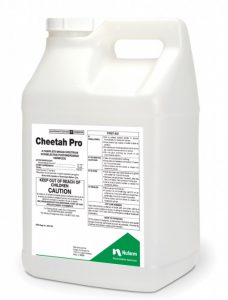
Cheetah Pro at a Glance:
- Price – $105 a gallon, $6.50 a cup, $0.82 an ounce
- Available everywhere except Alaska*
- Results seen within 2 – 5 days
- Wait 12 hours to re-enter areas after applying
- Rainfast within 4 hours
- Requires temperatures of at least 70°F
- Cannot be used more than 3 times per year
*not for use in California, use restricted only to licensed applicators in NY
Where would you use it:
- Ornamental trees
- Golf courses
- Sports Fields
- Potted Plants
Avenger Weed Killer
Avenger Weed Killer is a natural, non-staining weed killer made from oranges, lemons, and other citrus fruit peels. The active ingredient in Avenger is a citrus oil that causes the weed to dehydrate by stripping away the waxy plant cuticle (8). Avenger weed killer is best on small weeds and grasses that are less than 4 inches tall.
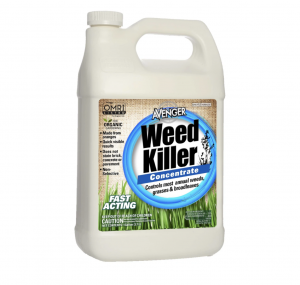
Avenger Weed Killer at a Glance:
- Price – $90 a gallon, $5.60 a cup, $0.70 an ounce
- Availability everywhere except South Dakota
- Results are seen within 1-2 hours
- Recommended re-entry of area is 4 hours
- Do not spray within 1 hour of rain
- Can use in cooler climates as low as 40°F
- Reseed after 2 weeks
- OMRI listed
Where would you use it:
- Rock and mulch areas
- Areas near brick, concrete, and pavement
- Around consumable crops
Mirimichi Green Weed Control Concentrate
Mirimichi Green’s active compound is ammonium nonanoate, a broad-spectrum contact herbicide with no soil activity. Similar in composition to soap salts, any residues left behind by ammonium nonanoate don’t exceed levels of fatty acids found in commonly eaten foods (9). It is safe to be used around people, pets, and livestock when used as directed. The active ingredient in Mirimichi Green is biodegradable, breaking down quickly in the soil, so there’s no chance for build-up or runoff.
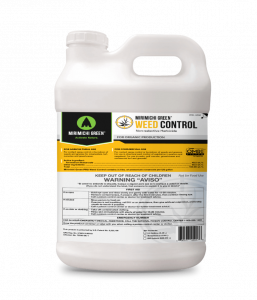
Mirimichi Green Weed Control at a Glance:
- Price – $60 a gallon, $3.75 a cup, $0.47 an ounce
- Availability – everywhere except North & South Dakota, Vermont and Maine (pending approval)
- Results are seen within 15 minutes in hotter temperatures
- Works in cooler temperatures
- Rainfast within 2 hours
- OMRI listed
- Reseed after 24 hours
Where would you use it:
- Gardens
- Greenhouses
- Walkways
- Farmsteads
- Landscaping beds
- https://thenaturalfarmer.org/article/a-short-history-of-glyphosate/
- https://extension.umd.edu/resource/vinegar-alternative-glyphosate
- https://www.newsweek.com/glyphosate-now-most-used-agricultural-chemical-ever-422419
- https://www.epa.gov/ingredients-used-pesticide-products/glyphosate
- https://www.sciencedirect.com/science/article/abs/pii/S1383574218300887
- https://www.iarc.who.int/wp-content/uploads/2018/07/MonographVolume112-1.pdf
- https://agriculture.basf.com/global/en/innovations-for-agriculture/innovation-for-herbicides/glufosinate-ammonium.html
- https://gardeningvibe.com/pet-friendly-weed-killer/
- https://www3.epa.gov/pesticides/chem_search/reg_actions/registration/fs_PC-031802_01-Nov-06.pdf
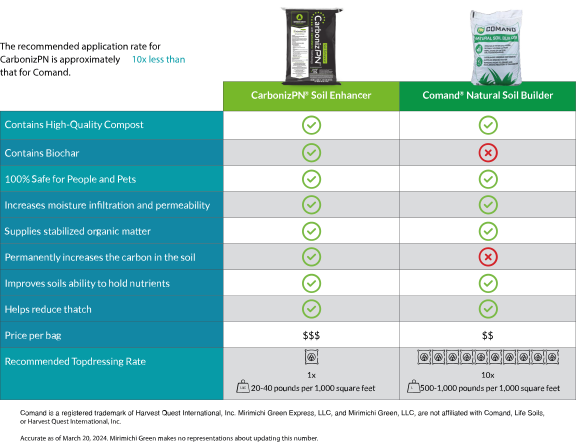
CarbonizPN vs. Comand: Choosing the Right Soil Enhancer for Your Project
When it comes to improving soil health, moisture management, and overall turf performance, not all soil amendments are created equal.
The Best Fall Overseeding Tips for a Thicker, Greener Lawn
The Best Fall Overseeding Tips for a Thicker, Greener Lawn If your lawn looks patchy, thin, or tired after summer,

Navigating Fertilizer Tariffs: Smart Strategies for Rising Costs
Navigating Rising Costs: Ways to Deal with US Tariffs on Agronomic Inputs Farmers, landscapers, and turf managers across America are
Replanting in Winter: Preparing Your Landscape for Spring
As winter settles in, many landscapers and gardeners put their tools down, thinking that landscaping tasks are on hold until

Remediating Salt Damage to Lawns from Winter Deicing Applications
Winter safety often depends on the use of deicing products, such as rock salt (sodium chloride), on roads, sidewalks, and
Understanding Soil Organic Matter and Carbon Content
Soil organic matter (SOM) is a crucial component of healthy soil, playing a significant role in plant health care (PHC)

Essential-G Discontinuation & Introduction of CarbonizPN-G: Your Questions Answered
Dear Mirimichi Green Community, We have some important news to share: Essential-G is being discontinued and replaced by our new

Remediating Salt in Soils Due to Hurricanes and Storm Surge
CarbonizPN: The Ultimate Solution for Hurricane-Induced Salt Damage When hurricanes hit, the resulting storm surge and wind-driven saltwater can wreak
Understanding USDA Certified Biobased Products: What It Means and Why It Matters
In today’s world, more consumers are becoming conscious of the environmental impact of the products they use. This shift towards